PPC Is Getting Smarter, But Also Harder To Ignore
Paid advertising (ppc) is not what it was a few years ago.
Back then, many campaigns were built around manual work. You picked keywords, wrote a few ads, adjusted bids, and checked results every day. There was room for small optimisations and a lot of guesswork.
In 2026, that model is fading. Platforms now make more decisions on their own. Google is pushing deeper AI support inside Search and Demand Gen. Meta keeps expanding Advantage+ automation. TikTok continues building more interactive ad tools that make ads feel less static and more native to the feed.
That does not mean PPC is becoming easier. It means businesses have to work differently. The job is no longer to manage settings. The job is to give the platform strong signals, better creativity, clean data, and a clear business goal.
Automation Is No Longer Optional
The biggest shift in PPC right now is simple. Automation is no longer a side feature. It is the centre of the system.
Google’s AI Max for Search expands query matching and uses landing pages, ads, and site content to help generate and match assets more broadly. Google says it began rolling AI Max out globally in beta in 2025, and positioned it as a way to expand beyond older keyword-only search behaviour.
Meta is moving in the same direction. Advantage+ Sales campaigns use AI to optimise delivery and match ads to people more likely to act. Meta has also continued pushing Advantage+ placements so that delivery can move across placements automatically.
This matters because many businesses still treat automation like a feature they can test later.
That is old thinking now.
In 2026, most advertisers will not decide whether to use automation. They are deciding how much control to keep around it.
Better Inputs Matter More Than More Tweaks
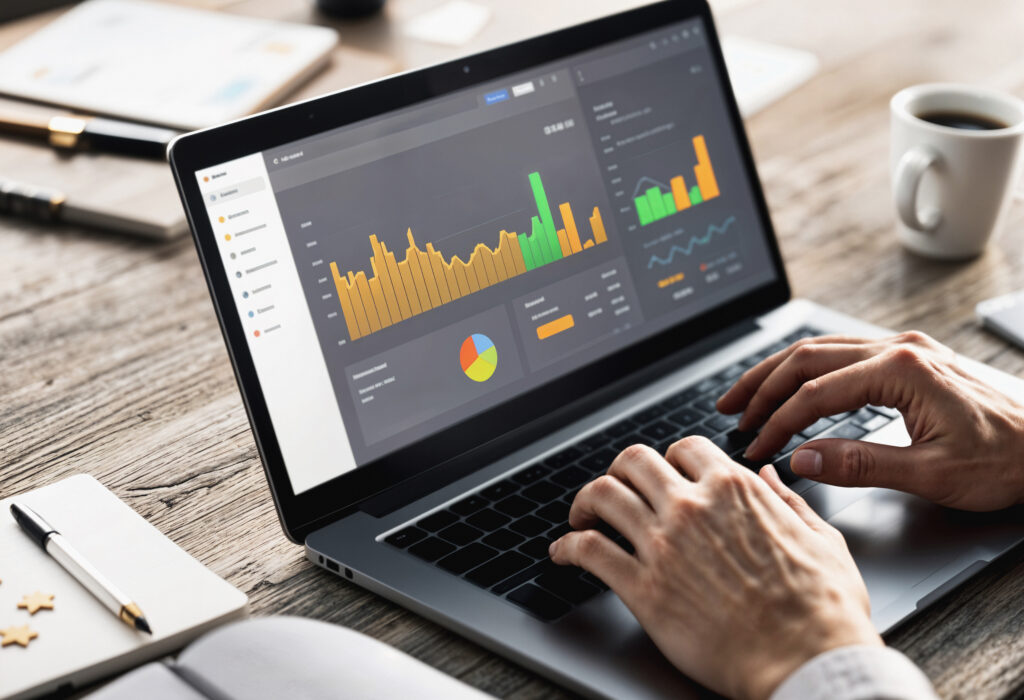
When platforms automate more of the bidding and delivery, the quality of your inputs becomes much more important.
A weak landing page will still hurt you. Bad creative will still hurt you. Poor conversion tracking will still hurt you.
If you give an automated system weak signals, it scales weak decisions faster.
That is why strong PPC teams are spending less time making tiny bid edits and more time fixing the basics:
- clearer conversion goals
- stronger audience signals
- better creative variations
- cleaner landing pages
- more accurate tracking
This is a major change in day-to-day work. Good PPC management now looks more like campaign architecture than button pushing.
Search Ads Are Moving Beyond Exact Keywords
Another major trend is the continued move away from narrow keyword thinking.
Google’s recent search ad updates make this clear. AI Max for Search is built to expand beyond the search terms an advertiser would have reached through older exact and phrase logic alone. Google has also tied this to text customisation and broader search term matching.
That means businesses should stop thinking only in terms of “What exact keyword do I bid on?”
A better question now is, “What problem is the person trying to solve?”
Intent matters more than keyword lists alone.
Keyword research still matters. Structure still matters. But campaigns now perform better when they are built around audience intent, offer clarity, and landing page relevance, not just long lists of tightly controlled terms.
AI Personalisation Is Becoming More Visible
People are also seeing more personalised ad experiences.
This does not just mean different targeting. It means platforms are getting better at matching the right message to the right person at the right moment.
Meta’s Advantage+ system is built around real-time optimisation and matching ads to people more likely to respond. Google is also putting more emphasis on AI-generated and AI-enhanced assets inside Search and Demand Gen. Demand Gen updates in late 2025 and early 2026 included AI image and video enhancements, plus broader optimisation improvements tied to conversions.
For businesses, the lesson is straightforward.
One ad is not enough anymore.
You need multiple headlines, multiple creative angles, and more than one way to present the same offer. The platforms are increasingly built to test combinations and find the best fit.
Video Ads Are Becoming More Interactive
Video has been important for years, but 2026 is making one thing clearer: static ads are losing ground in many placements.
Google has fully pushed advertisers toward Demand Gen as Video Action Campaigns were phased out and upgraded. Recent Demand Gen releases also added more visual and commerce-focused features, including shoppable connected TV support.
TikTok has also expanded interactive add-ons for in-feed ads, with standard and premium formats designed to increase interaction instead of passive viewing. TikTok’s own ad help documentation still highlights these formats as a way to make ads more engaging inside the feed.
This matters because user behaviour has changed.
People are used to motion. They are used to feed native content. They are used to ads that feel like part of the platform, not interruptions pasted on top of it.
Businesses that still rely only on static creative will not disappear, but they will look slower and less adaptive.
First-Party Data Is Becoming More Valuable
Another trend businesses cannot ignore is the growing value of their own data.
As platforms automate more and privacy expectations keep changing, businesses need stronger first-party signals. That includes email lists, customer lists, purchase data, lead quality data, and website behaviour tied to proper consent and clean tracking.
This is not flashy, but it is one of the most practical PPC advantages available.
If your platform can learn from real customer data, your campaigns improve faster. If your CRM is messy or your conversion setup is weak, the algorithm has less to work with.
In 2026, data quality is not a background issue. It directly affects ad performance.
Meta And Google Both Reward Strong Creative More Than Before
There was a time when bidding strategy could hide average creative for a while.
That is much harder now.
As automation handles more of the media buying side, creative has become one of the clearest places to gain an edge. The platform can decide where to place an ad and who to show it to, but it still needs strong material to work with.
This is why ad fatigue happens faster now. It is also why businesses need a better creative testing rhythm.
Simple improvements make a difference:
- stronger opening lines
- shorter copy where needed
- clearer offers
- better product framing
- faster hooks in video
- landing pages that match the ad promise
The technical side of PPC still matters. But creative quality now carries more weight than many businesses realise.
Measurement Needs To Get More Honest
One of the most common mistakes in PPC is looking at surface numbers and feeling confident too early.
Clicks can look good while leads are poor. Cheap traffic can look efficient while sales stay flat. Views can grow while revenue does not.
That is why performance measurement in 2026 needs to be more honest.
Businesses should care less about vanity and more about outcomes. The important questions are simple.
- Are leads improving in quality?
- Is the cost per sale holding up?
- Is the campaign bringing in the right type of customer?
- Is repeat revenue improving?
The platform dashboards give useful data, but businesses still need human judgment to decide what success actually means.
What Smart Businesses Should Do Now
The companies that handle PPC well this year are not the ones chasing every new button.
They are the ones getting the fundamentals right while adapting to where platforms are clearly headed.
That means embracing automation without becoming lazy. It means feeding platforms better data. It means building more creative variety. Means treating video as a serious performance channel, not just a branding extra. And it means judging campaigns by business results, not by pretty dashboards.
The real story behind PPC trends 2026 is not that machines are taking over advertising.
It is that paid media is becoming more dependent on strategy, creative judgment, and input quality. The platforms can do more on their own now, but they still perform best when a business knows what it wants and communicates that clearly.
That is what will separate average campaigns from strong ones in 2026.