Broadcast Channels & Communities
From Followers to a Community That Actually Stays
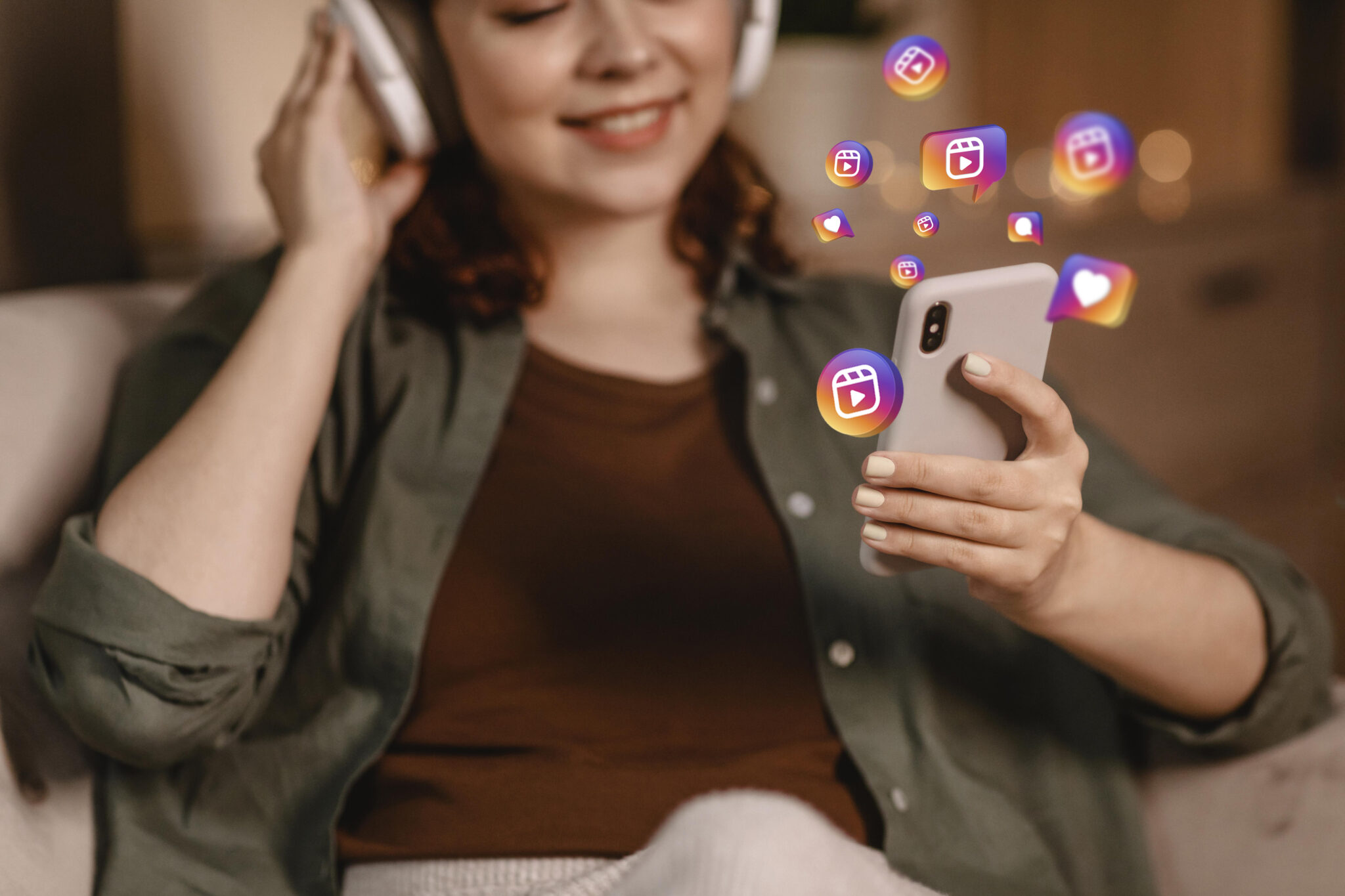
A large follower count can make a brand look successful. But there is a more important question: how many followers would actively miss your content if your next post disappeared from their feed? Social media has become crowded, fast-moving, and increasingly controlled by algorithms. A follower may genuinely like a brand but still miss most of its content. That creates a challenge for marketers: reach is growing, but direct attention is becoming harder to secure. This is why broadcast channels and communities are becoming valuable parts of modern social strategies. Instead of relying entirely on public feeds, brands can invite interested followers into dedicated spaces where updates, conversations, offers, feedback, and exclusive content can feel more direct.
Public Feed → Follower → Channel → Community → Customer → Advocate.
Why Public Feeds Are No Longer Enough
Public feeds remain powerful for awareness, entertainment, and discovery. Reels, posts, Stories, and short-form videos can introduce a brand to thousands of potential customers. However, visibility is never guaranteed. Algorithms decide what appears first. People follow hundreds of accounts. Trends change quickly. Competition for attention is intense. A brand can therefore have a substantial audience without having a reliable way to communicate with its most interested followers. Broadcast channels address part of this problem by creating a more intentional communication layer. On Instagram, broadcast channels are designed as one-to-many messaging spaces where creators can share text, photos, videos, voice notes, polls, and updates with followers who join. Meta has also added tools such as prompts and insights to make channels more interactive and measurable.
What Is a Broadcast Channel?
A broadcast channel is essentially a direct update stream for people who voluntarily join it.
Instead of hoping followers notice a public post, brands can use a channel to share information specifically with people who have chosen to receive it. Want to create a broadcast channel that goes beyond simply sharing promotional updates? Stories highlights how brands can use broadcast channels for exclusive content, behind-the-scenes storytelling, audience feedback, content testing, and stronger customer relationships. Read the storeis guide on broadcast channels
What Is a Brand Community?
A community goes beyond broadcasting. It creates a space where people can interact around a shared interest, product, purpose, or identity.
A community may include:
- Customer discussions
- Questions and answers
- Product feedback
- Expert sessions
- Member events
- Peer recommendations
- Challenges
- User-generated content
The difference can be summarized simply:
Why Brands Are Moving From Followers to Members
Following a brand is easy. Joining a dedicated channel or community requires another intentional action. That action is important because it can signal stronger interest.
This creates a useful audience journey:
PUBLIC CONTENT
↓
DISCOVERY
↓
FOLLOW
↓
JOIN CHANNEL
↓
ENGAGE
↓
JOIN COMMUNITY
↓
PURCHASE
↓
ADVOCATE
What Should Brands Share?
1. Exclusive Updates
Give members information before the wider audience. New-product previews, launch dates, event announcements, or early access can make membership feel worthwhile.
2. Behind-the-Scenes Content
Show what followers normally do not see. Share product development, team moments, packaging, event preparation, or founder insights.
3. Educational Content
Teach members something useful. Tutorials, industry tips, checklists, product guides, and practical advice can keep people engaged without requiring a purchase.
4. Polls and Feedback
Ask members what they think. Questions such as “Which product should we launch next?” can make people feel heard while giving brands useful insights.
5. Community-Only Offers
Exclusive rewards can provide a strong reason to join, especially when they are genuinely different from public promotions.
The Role of Exclusivity
People do not join a private brand space simply because a link exists. They join because there is something worth getting. That value might be early access, exclusive content, special discounts, direct feedback opportunities, expert advice, events, or recognition. If everything inside your private hub is identical to what you publish publicly, followers have little reason to make the move.
A strong private-hub strategy therefore needs a clear promise:
“Why should someone join this space instead of simply following our page?”
Broadcast Channels vs. Communities
Broadcast channels suit direct communication. Communities suit deeper interaction.
Broadcast channels work well for:
- Announcements
- Launches
- Offers
- Updates
- Polls
- Brand-led content
Communities work well for:
- Conversations
- Support
- Feedback
- Peer interaction
- Events
- User-generated content
How to Move Followers Into Your Brand Hub
Simply saying “Join our channel” is rarely persuasive. Instead, communicate a benefit.
Try messages such as:
- “Want first access to our next launch? Join our private channel.”
- “Get tips and updates that do not always make it to the feed.”
- “Followers see the content. Members get the experience.”
Promote the invitation across Stories, Reels, profile links, websites, emails, QR codes, packaging, checkout pages, and customer-service conversations.
Avoid Turning Your Community Into an Ad Channel
The fastest way to lose community trust is to make every message about selling. If members only hear from a brand when there is a discount, the relationship becomes transactional. A member should feel that staying subscribed is useful even when they are not buying.
Using Communities Across the Customer Journey
A well-managed community can support customers before, during, and after a purchase. Before purchase, members can receive education, comparisons, guides, and product information. During purchase, they can receive offers, reminders, and assistance. After purchase, brands can share tutorials, usage tips, support resources, and updates.
Measuring Community Success
Follower growth is not enough. Brands should measure what happens after someone joins.
Important metrics can include:
- Channel joins
- Active members
- Views
- Reactions
- Poll participation
- Click-through rates
- Replies
- Unsubscribe or exit rates
- Offer redemptions
- Leads
- Purchases
- Repeat purchases
- Referral activity
The Future of Social Media Is More Connected
Social media is gradually becoming an ecosystem rather than a single public feed. Public content can drive discovery. Stories and Reels can build engagement. Broadcast channels can deliver direct updates. Communities can create conversation. Websites can drive conversion, while CRM systems can support retention. Meta’s continued investment in channels supports this direction. In 2024, Meta said Instagram broadcast channels were generating more than 1.5 billion messages between creators and followers each month, while newer tools were designed to improve interaction and insights.
Final Thoughts
The next stage of social media marketing is not simply about collecting followers. It is about creating spaces where interested people have a reason to stay. Public feeds will remain essential for reach and discovery. But broadcast channels and communities can add something feeds cannot guarantee: a more intentional relationship with people who have chosen to hear from you. The strongest brands will combine both approaches. They will use public content to attract attention and private or community-led spaces to turn that attention into trust, participation, loyalty, and advocacy.
- The goal is not the biggest audience.
- It is the most connected audience.
Ready to Build a Stronger Brand Community?
If your brand wants to move beyond follower counts and build a social strategy focused on engagement, loyalty, and meaningful customer relationships, connect with iSonic Media through the contact us page and explore a smarter digital growth strategy.
Frequently Asked Questions
1. What is a broadcast channel for a brand?
A broadcast channel allows brands or creators to send updates directly to people who choose to join. Depending on the platform, brands can share announcements, images, videos, polls, offers, and other content without relying entirely on public-feed algorithms.
2. What is the difference between a broadcast channel and a community?
A broadcast channel is primarily designed for one-to-many communication, where the brand controls the main updates. A community is designed for deeper interaction, bringing people together around shared interests, products, organizations, or purposes.
3. Why should brands move followers into private communities?
Private communities can create stronger relationships by giving interested followers access to exclusive content, conversations, offers, feedback opportunities, and experiences. They provide a more intentional environment for nurturing loyal customers.
4. What should brands post in a broadcast channel?
Brands should focus on content that gives people a reason to stay subscribed, including exclusive announcements, product previews, educational tips, behind-the-scenes content, polls, early access, useful updates, and occasional promotions.
5. How can brands grow their broadcast channel?
Promote the channel across Stories, Reels, websites, email, QR codes, product packaging, and checkout pages. Most importantly, communicate a clear benefit for joining, such as exclusive access, useful content, early announcements, or members-only offers.