Are Consumers Tired of Perfect Ads?
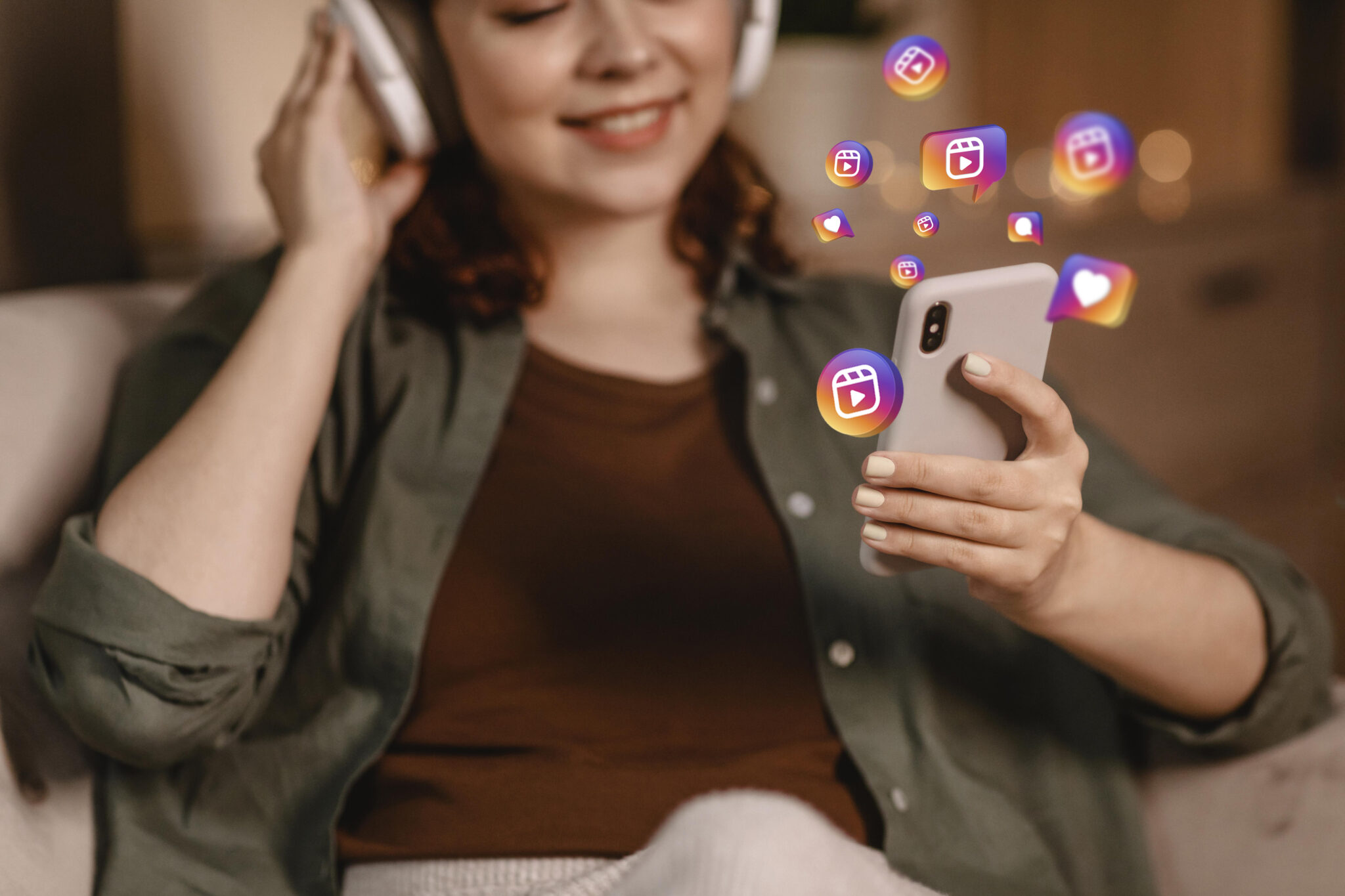
Think about the last video you watched all the way through on Instagram or TikTok. Was it a highly produced advertisement with cinematic shots and expensive editing? Or was it a simple smartphone video of someone sharing an experience, reviewing a product, or speaking directly to the camera? Now ask yourself another question: Which one felt more trustworthy?
For years, brands believed that higher production quality automatically led to better results. Businesses invested heavily in professional studios, premium cameras, actors, and polished editing. While those elements still have their place, the social media landscape of 2026 tells a different story. Today, audiences are increasingly drawn to content that feels authentic, relatable, and human. The rise of Instagram Reels, TikTok, and YouTube Shorts has transformed how people consume content. Instead of expecting polished commercials, users want genuine stories and real experiences. As a result, lo-fi smartphone footage is often generating higher engagement, stronger trust, and better conversions than traditional studio advertisements.
According to consumer research by Clutch, 80% of viewers pay more attention to content that feels authentic and personal rather than overly promotional. This shift highlights a growing preference for real connections over perfect production. This doesn’t mean professional content is dead, it simply means authenticity has become more valuable than perfection.
The Trust Gap Between Brands and Consumers
Modern consumers are smarter than ever when it comes to advertising. They can identify promotional content almost instantly. The moment a video feels like a sales pitch, many viewers simply scroll past it. This is where smartphone footage gains an advantage. A video recorded by a founder in their office, a team member sharing a behind-the-scenes moment, or a customer giving an honest review feels more believable than a scripted commercial. Viewers don’t see it as advertising. They see it as a conversation. Trust has become one of the most important currencies in digital marketing. People buy from brands they trust, and trust is built through transparency and authenticity. Lo-fi content naturally creates both.
When viewers see real people in real environments speaking naturally, they are more likely to believe the message being delivered.
Why Lo-Fi Content Feels More Authentic
One of the biggest reasons smartphone footage performs so well is because it mirrors how people communicate in everyday life. Social media was originally designed for sharing personal moments. Even though it has evolved into a major marketing channel, users still expect content that feels personal. A professionally produced advertisement often creates distance between the brand and the audience. On the other hand, a smartphone video creates familiarity. It feels as though someone is sharing information rather than selling something. This authenticity encourages viewers to engage. They watch longer, comment more frequently, and are more willing to trust recommendations.
In many cases, slight imperfections actually improve performance. Natural lighting, casual conversations, and unscripted reactions make content feel genuine. Those imperfections remind viewers that there are real people behind the brand.
The Social Media Algorithm Loves Authenticity
While many marketers focus on production quality, social media algorithms care about something different: audience behavior.
Platforms like Instagram and TikTok reward content that keeps people engaged.
If viewers:
- Watch longer
- Comment frequently
- Share content
- Save videos
the algorithm interprets that as valuable content and distributes it to more people. Lo-fi videos often outperform studio ads because they generate these engagement signals naturally. When a video feels relatable, viewers are more likely to watch until the end. Higher watch time sends a strong signal to the platform that the content deserves additional reach. This is why many brands are discovering that a quick smartphone video can sometimes outperform a professionally produced campaign costing thousands of dollars.
The “Human Mirror Effect”: A Unique Framework for 2026
One of the most interesting reasons lo-fi content converts so effectively is what we call the Human Mirror Effect. People trust content that reflects their own reality. When consumers see someone in a normal office, home, store, or workplace, they subconsciously relate to that environment. It feels familiar. A highly polished studio advertisement often creates a gap between the viewer’s reality and the brand’s presentation. A smartphone video closes that gap.
The Human Mirror Effect works through three stages:
Recognition
The viewer sees a situation that feels familiar.
Connection
The viewer relates to the person sharing the message.
Trust
The viewer becomes more open to the recommendation or offer. This simple psychological process is one of the reasons authentic content consistently drives stronger results.
Real Brands Are Choosing Raw Content
Many successful brands have shifted a significant portion of their content strategy toward creator-style videos and user-generated content. Instead of relying exclusively on studio productions, they are featuring:
- Founders speaking directly to the camera
- Customer testimonials
- Product demonstrations
- Behind-the-scenes content
- Day-in-the-life videos
These formats feel natural on social platforms. Consumers don’t want every piece of content to look like a commercial. They want to see the people, processes, and stories behind a brand. This approach helps businesses build stronger emotional connections with their audience.
Does This Mean Professional Production No Longer Matters?
Not at all. Professional content still plays an important role in branding, website design, product launches, and large-scale campaigns. However, businesses should stop viewing professional production as the only path to success. The smartest marketing strategies today combine both approaches. Professional content helps establish credibility and brand identity. Lo-fi content helps create engagement and trust. When used together, they create a balanced content ecosystem that supports both awareness and conversions. The key is understanding which format is appropriate for each objective.
The Future of Content Marketing
As artificial intelligence continues to improve content creation, audiences are becoming surrounded by increasingly polished visuals. Ironically, this trend may make authentic content even more valuable. When every brand has access to high-end editing tools and AI-generated visuals, authenticity becomes a competitive advantage. Consumers are beginning to value real experiences more than perfect presentations. They want to see the people behind the business. Want honest insights. They want content that feels human. Brands that embrace this shift will likely build stronger relationships and achieve better long-term results.
Final Thoughts
The success of lo-fi smartphone footage isn’t about rejecting quality. It’s about understanding what modern audiences value most. People are no longer impressed simply because a video looks expensive. They are impressed by content that feels genuine, relatable, and trustworthy. In a crowded digital environment, authenticity stands out. A simple smartphone video can often create a stronger connection than a polished commercial because it feels real. As attention spans continue to shrink and competition for engagement increases, brands that prioritize human connection over perfection will be the ones that win. The future of marketing belongs to businesses that understand a simple truth: people connect with people, not production budgets.
Ready to Create Content That Actually Converts?
At iSonic Media, we help brands develop authentic content strategies that drive engagement, build trust, and generate measurable business growth. From social media management and Reels marketing to content creation and digital campaigns, our team creates content designed for today’s attention-driven audience. Contact us today and discover how the right mix of authenticity, creativity, and strategy can help your brand stand out in 2026 and beyond.
1. Why does lo-fi smartphone content often perform better than professional studio ads?
Lo-fi content feels more authentic and relatable to viewers. Social media users are more likely to trust videos that appear natural and unscripted because they resemble the content people normally consume from creators, friends, and influencers. This authenticity often leads to higher engagement and stronger conversion rates.
2. Is professional video production still important for marketing?
Yes. Professional production remains valuable for brand campaigns, website videos, product launches, and corporate storytelling. However, for social media platforms like Instagram Reels, TikTok, and YouTube Shorts, lo-fi content often performs better because it feels native to the platform and encourages audience interaction.
3. What types of businesses benefit most from lo-fi content?
Almost every industry can benefit from lo-fi content, including e-commerce, healthcare, real estate, education, hospitality, and B2B services. Any business looking to build trust, showcase expertise, or connect with customers on a personal level can use smartphone-based content effectively.
4. Does lo-fi content mean low-quality content?
Not at all. Lo-fi content should still have clear audio, good lighting, and a strong message. The goal is not to look unprofessional but to appear authentic and approachable. High-performing lo-fi videos focus on value and storytelling rather than excessive production.
5. How can brands create effective lo-fi videos?
Brands can start by sharing behind-the-scenes footage, customer testimonials, product demonstrations, team insights, or founder stories. The key is to communicate naturally, focus on solving audience problems, and create content that feels genuine rather than overly scripted.